

Role of USB-C in Charging – Efficiency for Modern Tech
Frequent travellers know the struggle of juggling too many chargers and tangled cables when powering up Apple devices on the move. The shift towards universal connector technology is more than a design upgrade, making travel lighter and everyday charging far more efficient. By embracing USB-C for your Apple accessories, you unlock faster charging, fewer adapters, and seamless compatibility across borders and devices, freeing your bag and your workflow from unnecessary clutter.
Table of Contents
- Defining USB-C and Its Key Advantages
- Core Functions of USB-C in Device Charging
- Fast Charging Capabilities and Standards Explained
- Compatibility with Apple Devices and Others
- Safety Features, Risks, and Best Practices
Key Takeaways
| Point | Details |
|---|---|
| USB-C’s Versatility | USB-C combines data transfer, power delivery, and video output in one connector, streamlining device connectivity. |
| High-Speed and Power Capabilities | Supports up to 80 Gbps data transfer and 100 watts power delivery, making it ideal for various devices. |
| Universal Compatibility | Ensures seamless interconnectivity across multiple platforms, reducing the need for various cables and adapters. |
| Safety Mechanisms | Built-in protections such as overcurrent and voltage regulation enhance device safety during charging. |
Defining USB-C and Its Key Advantages
USB-C represents a significant technological evolution in device connectivity, offering a versatile and powerful standard for modern electronic devices. Universal connector technology has transformed how we connect, charge, and transfer data across multiple platforms.
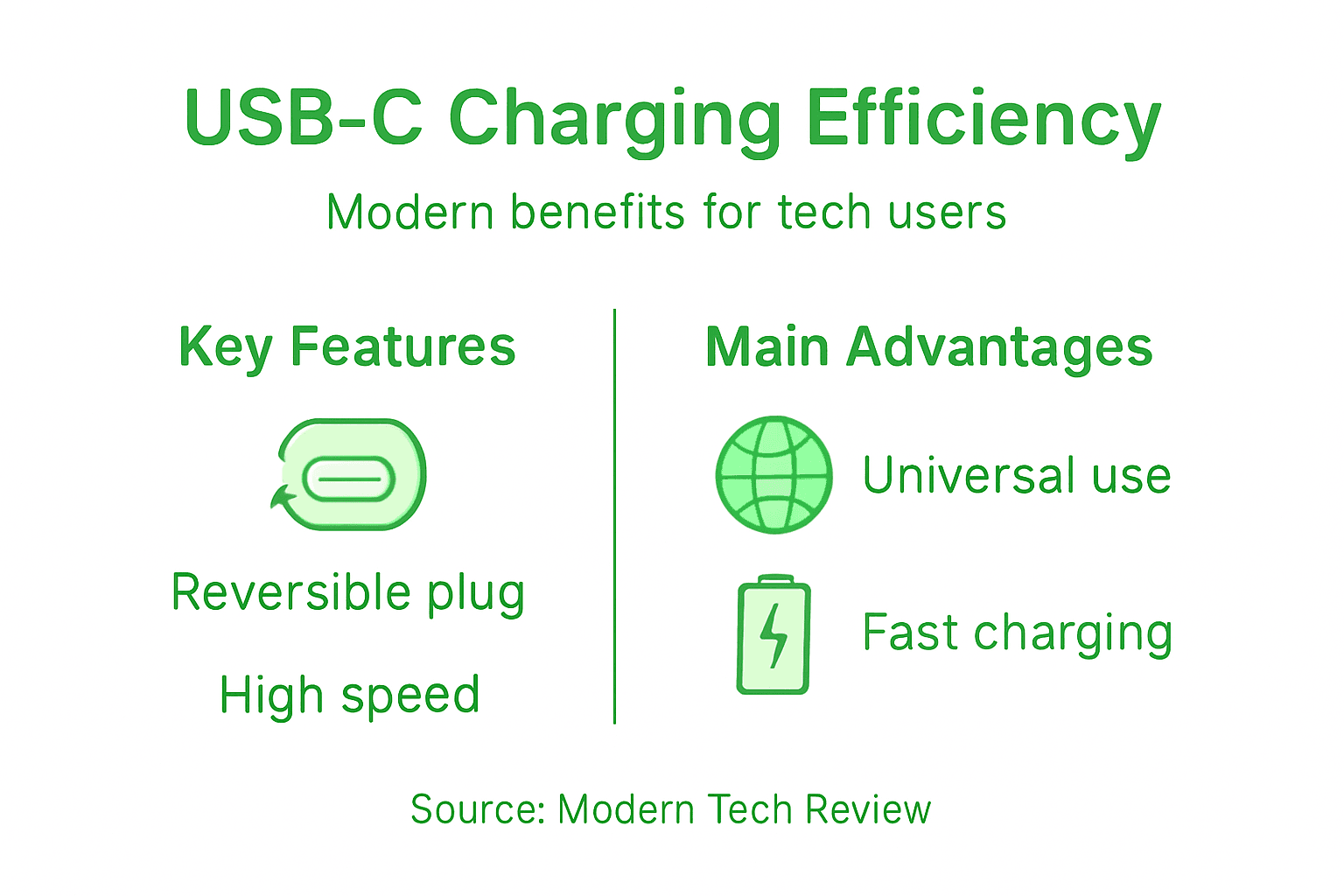
At its core, USB-C is a sophisticated connector with multiple groundbreaking capabilities. Its design incorporates several critical advantages that distinguish it from previous USB standards:
- Reversible design allowing effortless connection
- High-speed data transfer capabilities
- Power delivery supporting up to 100 watts
- Universal compatibility across device types
- Support for multiple protocols including USB and Thunderbolt
The connector’s technical sophistication enables simultaneous data and power transmission with remarkable efficiency. Unlike older USB versions, USB-C can transmit up to 80 Gbps of data while simultaneously providing substantial power—making it ideal for laptops, smartphones, and peripheral devices that require both high-speed connectivity and robust charging capabilities.
Modern professionals and tech enthusiasts appreciate USB-C for its streamlined approach to device interaction. The connector eliminates the frustration of multiple cables and adapters, providing a single, intelligent solution that adapts to diverse technological needs. Its compact size and powerful performance make it a game-changing standard in portable electronics.
Pro tip: When purchasing new devices, prioritise USB-C compatibility to ensure future-proof connectivity and simplified charging solutions.
Here is a comparison of USB-C with earlier USB types to highlight technological progress:
| Attribute | USB-A | USB-B | USB-C |
|---|---|---|---|
| Connector orientation | One-way only | One-way only | Reversible and user-friendly |
| Maximum power output | Up to 2.5 watts | Up to 5 watts | Up to 100 watts |
| Maximum data transfer | 480 Mbps (USB 2.0) | 5 Gbps (USB 3.0) | Up to 80 Gbps (Thunderbolt) |
| Device compatibility | Mostly computers/peripherals | Printers, hard drives | Laptops, phones, peripherals |
| Video output support | No | Limited | Yes (DisplayPort, HDMI) |
Core Functions of USB-C in Device Charging
USB-C has revolutionised device connectivity by introducing a multi-functional charging standard that goes far beyond traditional power transfer. Power delivery capabilities have transformed how electronic devices receive and manage electrical power across various device types.
The core charging functions of USB-C encompass several critical capabilities:
- Universal power compatibility across multiple device categories
- High-wattage charging supporting up to 100 watts
- Simultaneous data transfer and charging
- Intelligent power management
- Rapid charging for smartphones, laptops, and tablets
USB Power Delivery represents the most sophisticated aspect of USB-C’s charging infrastructure. Versatile connector protocols enable the connector to dynamically adjust power output based on device requirements, ensuring optimal charging efficiency and preventing potential battery damage.

Beyond traditional charging, USB-C offers unprecedented flexibility for professional and personal device ecosystems. Its ability to transmit substantial power while simultaneously supporting video output and data transfer makes it a game-changing technology that simplifies connectivity and reduces cable clutter for tech-savvy users.
Pro tip: Invest in high-quality USB-C cables certified for Power Delivery to maximise charging speed and device protection.
Fast Charging Capabilities and Standards Explained
USB Power Delivery has transformed device charging technologies, providing unprecedented power transfer capabilities for modern electronic devices. Dynamic power negotiation standards enable intelligent and efficient charging across multiple device categories.
The core fast charging standards encompass several critical technological innovations:
- Intelligent power allocation for different devices
- Rapid charging speeds up to 240 watts
- Automatic voltage and current regulation
- Adaptive power management
- Comprehensive device protection mechanisms
USB Power Delivery represents the most sophisticated charging protocol available today. Fast charging technologies now support power delivery ranging from smartphone-level charging to high-performance laptop requirements, dramatically reducing charging times across multiple device types.
These advanced charging standards provide remarkable flexibility for tech professionals and everyday users. By dynamically adjusting power output based on device specifications, USB Power Delivery ensures optimal charging efficiency while preventing potential battery damage and maintaining long-term device performance.
Pro tip: Always verify your charging cable’s Power Delivery certification to guarantee maximum charging speed and device safety.
The following table summarises common USB-C fast charging standards and their primary use cases:
| Standard | Power Output Range | Typical Devices Powered |
|---|---|---|
| USB Power Delivery | 15W to 240W | Smartphones, tablets, laptops |
| Qualcomm Quick Charge | Up to 100W | Android phones, headphones |
| Apple Fast Charge | Up to 30W | iPhones, iPads |
| Thunderbolt 4 | Up to 100W | Laptops, advanced peripherals |
Compatibility with Apple Devices and Others
USB-C represents a transformative connectivity standard that has fundamentally reshaped device ecosystem interoperability. Universal device compatibility has become increasingly important as manufacturers seek standardised charging and data transfer solutions.
The compatibility landscape for USB-C encompasses several critical device categories:
- Comprehensive Apple device support
- Cross-platform charging capabilities
- Seamless data transfer between devices
- Multi-brand peripheral connectivity
- Reduced electronic waste through universal standards
Apple’s transition marks a significant milestone in USB-C adoption. Connector standard evolution demonstrates how technology giants are increasingly embracing open, universal connection protocols, moving away from proprietary designs that previously fragmented the tech ecosystem.
Tech professionals and consumers now benefit from unprecedented device interconnectivity. USB-C eliminates previous barriers between different manufacturers, enabling users to charge, transfer data, and connect peripherals across previously incompatible platforms with remarkable ease and efficiency.
Pro tip: Invest in high-quality, certified USB-C cables that support multiple power delivery standards to ensure maximum compatibility across your device ecosystem.
Safety Features, Risks, and Best Practices
Navigating the complex landscape of USB-C charging requires a comprehensive understanding of built-in safety mechanisms and potential risks. Power delivery safety protocols are critical for protecting electronic devices and ensuring reliable performance.
Key safety considerations for USB-C usage include:
- Certified cable verification
- Comprehensive overcurrent protection
- Voltage regulation mechanisms
- Temperature monitoring systems
- Automatic power negotiation
Device protection remains paramount in the USB-C ecosystem. Cable quality verification helps mitigate risks associated with substandard charging accessories, preventing potential device damage and ensuring optimal charging performance.
Professional users must remain vigilant about potential risks, understanding that not all USB-C cables and chargers are created equal. Counterfeit or non-compliant accessories can pose significant threats to device integrity, potentially causing overheating, power surges, or irreversible electronic damage.
Pro tip: Always purchase USB-C cables and chargers from reputable manufacturers with USB-IF certification to guarantee maximum device safety and performance.
Elevate Your Charging Experience with Smart USB-C Solutions
The article highlights the power and versatility of USB-C technology, but navigating the challenges of finding efficient, safe, and universal charging solutions remains a key concern. Whether you need rapid charging, compatibility with Apple devices, or reliable cable safety, understanding USB Power Delivery and certified accessories is essential. At Charg-R.co, we share your goal of simplifying tech life by offering high-quality power banks, wireless chargers, and multifunctional cables designed to unlock USB-C’s full potential.
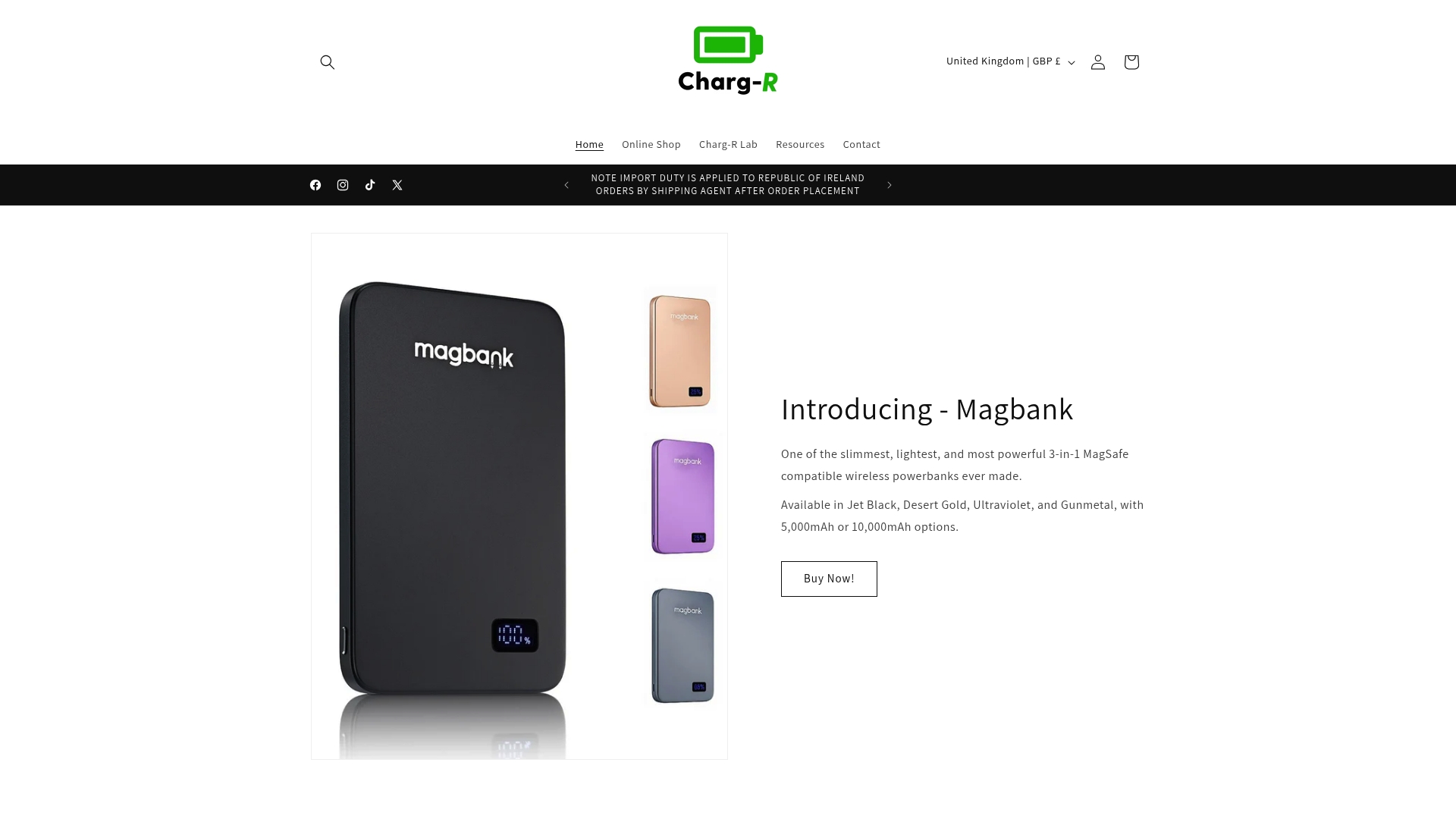
Discover how our sleek and compact devices deliver fast charging speeds while protecting your gadgets with built-in safety features. Take control of your portable power needs today with Charg-R.co and explore innovative accessories crafted for tech enthusiasts and travellers alike. Don’t compromise on efficiency or safety—visit us now to experience smarter USB-C charging solutions and keep your devices powered wherever you go.
Frequently Asked Questions
What are the key advantages of USB-C over previous USB standards?
USB-C offers several advantages, including a reversible design for easy connection, high-speed data transfer capabilities, power delivery support up to 100 watts, universal compatibility across devices, and support for multiple protocols like USB and Thunderbolt.
How does USB-C improve charging efficiency for modern devices?
USB-C features intelligent power management and Power Delivery capabilities that allow devices to receive optimal charging based on their specific requirements. This facilitates simultaneous data transfer and charging, reduces cable clutter, and enhances overall device performance.
What safety features does USB-C provide to protect devices during charging?
USB-C includes several safety features such as overcurrent protection, voltage regulation, temperature monitoring, and automatic power negotiation to prevent potential damage or overheating during charging.
How does USB Power Delivery enhance fast charging capabilities?
USB Power Delivery allows for dynamic power negotiation, enabling rapid charging speeds up to 240 watts. It adjusts the power output based on the device’s needs, ensuring efficient charging while protecting the battery’s longevity.