

Wireless Charging Trends 2026 – Efficiency and Mobility
Finding reliable charging options for Apple devices on the go can feel like a daily challenge for urban travellers. Wireless charging offers unmatched convenience, eliminating cable clutter while keeping pace with busy routines. With advances like the Qi2 standard inspired by MagSafe, today’s solutions deliver faster performance and broader compatibility. This guide cuts through common myths, highlights key innovations, and explores what matters most for professionals prioritising efficiency and portability.
Table of Contents
- Wireless Charging Defined And Common Myths
- Qi2 Standard Evolution And Magnetic Alignment
- Integration In Consumer Devices And Accessories
- Long-Range Charging And Fast Power Banks
- Safety, Interoperability, And Energy Efficiency
- Market Adoption Challenges And Cost Factors
Key Takeaways
| Point | Details |
|---|---|
| Wireless Charging Efficiency | Modern wireless charging solutions now match wired charging speeds and improve safety and device compatibility. |
| Innovative Qi2 Standard | The Qi2 standard enhances magnetic alignment and efficiency, allowing faster charging capabilities and broader compatibility. |
| Long-Range Charging Breakthroughs | Long-range wireless charging technologies are evolving, providing significant convenience and flexibility for users. |
| Market Adoption Challenges | Implementation costs, technical standardisation, and consumer perception present ongoing challenges for wider wireless charging adoption. |
Wireless charging defined and common myths
Wireless charging is an innovative power transfer technology that enables electricity transmission through electromagnetic fields without traditional wiring. This cutting-edge approach has transformed how we power electronic devices, offering unprecedented convenience and flexibility for modern tech users.
The core mechanism of wireless charging relies on electromagnetic induction, where power is transferred between two specialised coils - a transmitter and receiver. Ongoing innovations are improving charging technologies across mobile phones, laptops, and portable electronics.
Several persistent myths continue to circulate about wireless charging technology. Here are the most common misconceptions:
- Slow charging speeds: Modern wireless systems now match wired charging performance
- Battery damage concerns: Contemporary technologies adhere to strict safety standards
- Limited device compatibility: Increasing interoperability across device types
- High energy wastage: Efficiency has significantly improved in recent years
Wireless power transfer technology has proven particularly advantageous by eliminating cable clutter and providing seamless charging experiences. The technology works through precise electromagnetic field manipulation, allowing power transmission without direct physical contact.
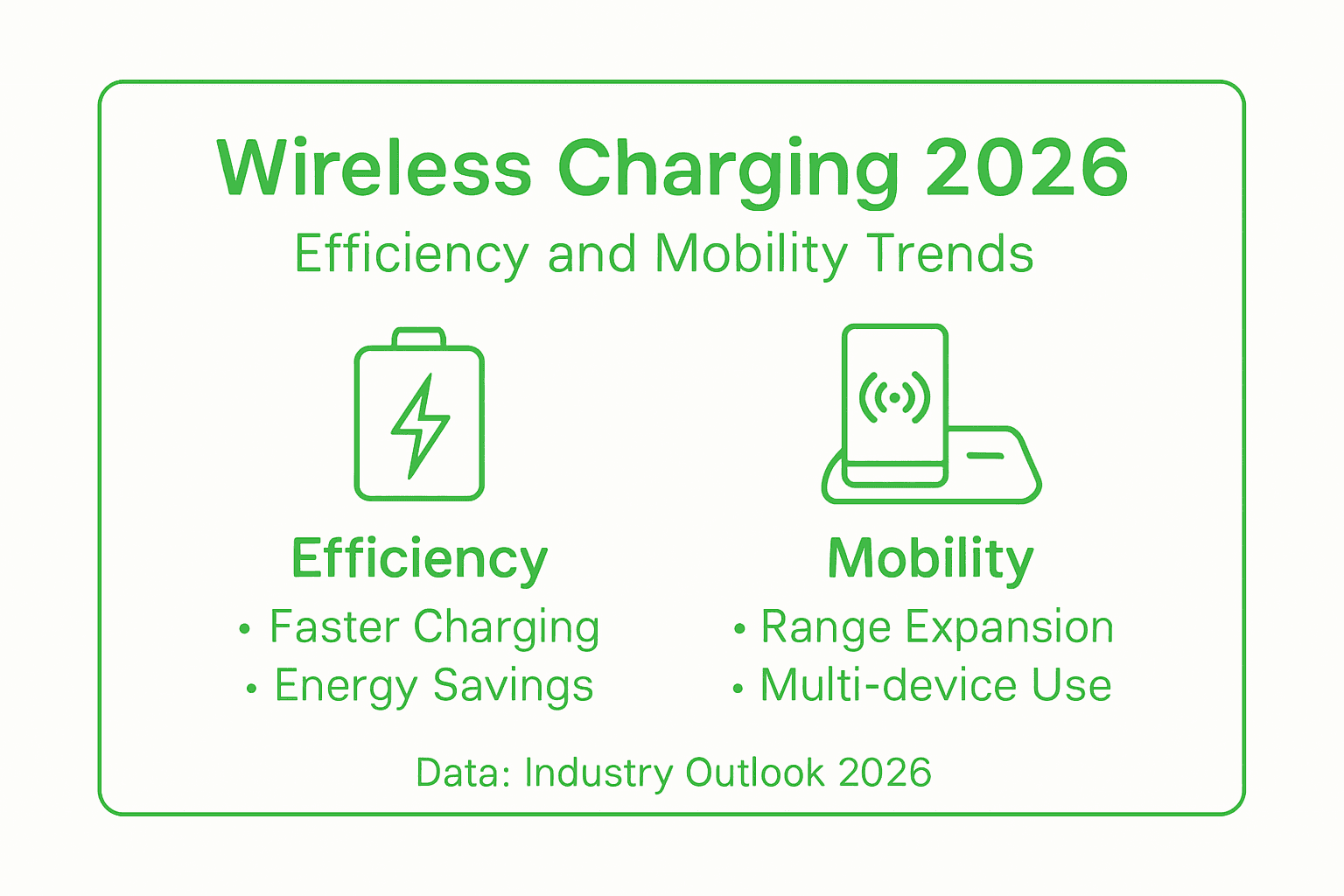
Key technical improvements have addressed early limitations, making wireless charging increasingly reliable and efficient. The technology now supports faster power transfer rates, enhanced energy efficiency, and broader device compatibility.
Here’s how common wireless charging challenges compare with current solutions:
| Challenge | Modern Solution | Practical Impact |
|---|---|---|
| Slow charging speeds | Enhanced power transfer technologies | Charging performance matches wired rates |
| Device compatibility limits | Universal standards like Qi2 | Broad cross-brand support |
| High energy wastage | Efficient coil design | Lower electricity use, less heat |
| User safety concerns | Advanced detection and cut-off | Reduced risk of overheating or faults |
Pro tip: Always ensure your wireless charging surface is clean and free from metallic objects to maintain optimal charging performance.
Qi2 standard evolution and magnetic alignment
The Qi2 wireless charging standard represents a significant leap forward in cordless power transfer technology, building upon previous iterations with groundbreaking magnetic alignment capabilities. Magnetic Power Profile innovations have transformed how devices communicate and charge wirelessly, offering unprecedented efficiency and user convenience.
Key evolutionary features of the Qi2 standard include:
- Enhanced magnetic alignment mechanisms
- Improved power transfer efficiency
- Faster charging capabilities
- Broader device compatibility
- Advanced safety protocols
Qi2 standards now support faster charging with significant performance improvements over previous generations. The technology achieves charging speeds up to 15W with magnetic alignment efficiencies reaching 80-85%, a substantial upgrade from earlier wireless charging protocols.
The magnetic alignment technology, inspired by Apple’s MagSafe design, enables more precise power transmission between charging surfaces and devices. This innovative approach ensures optimal positioning, reducing energy loss and improving overall charging reliability.
The Qi2 standard represents a quantum leap in wireless charging technology, bridging performance gaps and creating more seamless user experiences.
Pro tip: When using magnetic wireless chargers, ensure your device’s magnetic alignment points are clean and unobstructed for maximum charging efficiency.
Integration in consumer devices and accessories
Wireless charging technology has rapidly transformed the landscape of consumer electronics, creating seamless integration across multiple device categories. Wireless charging adoption is steadily increasing, particularly in smartphones, wearables, and portable accessories.
Key device categories experiencing wireless charging integration include:
- Smartphones and mobile devices
- Smartwatches and fitness trackers
- Wireless earbuds and audio accessories
- Laptop peripherals
- Automotive dashboard technologies
Consumer electronics integration strategies are evolving to address challenges related to charging speed, energy efficiency, and device compatibility. Manufacturers are developing innovative solutions that enhance user experience through advanced communication protocols and sophisticated battery management systems.
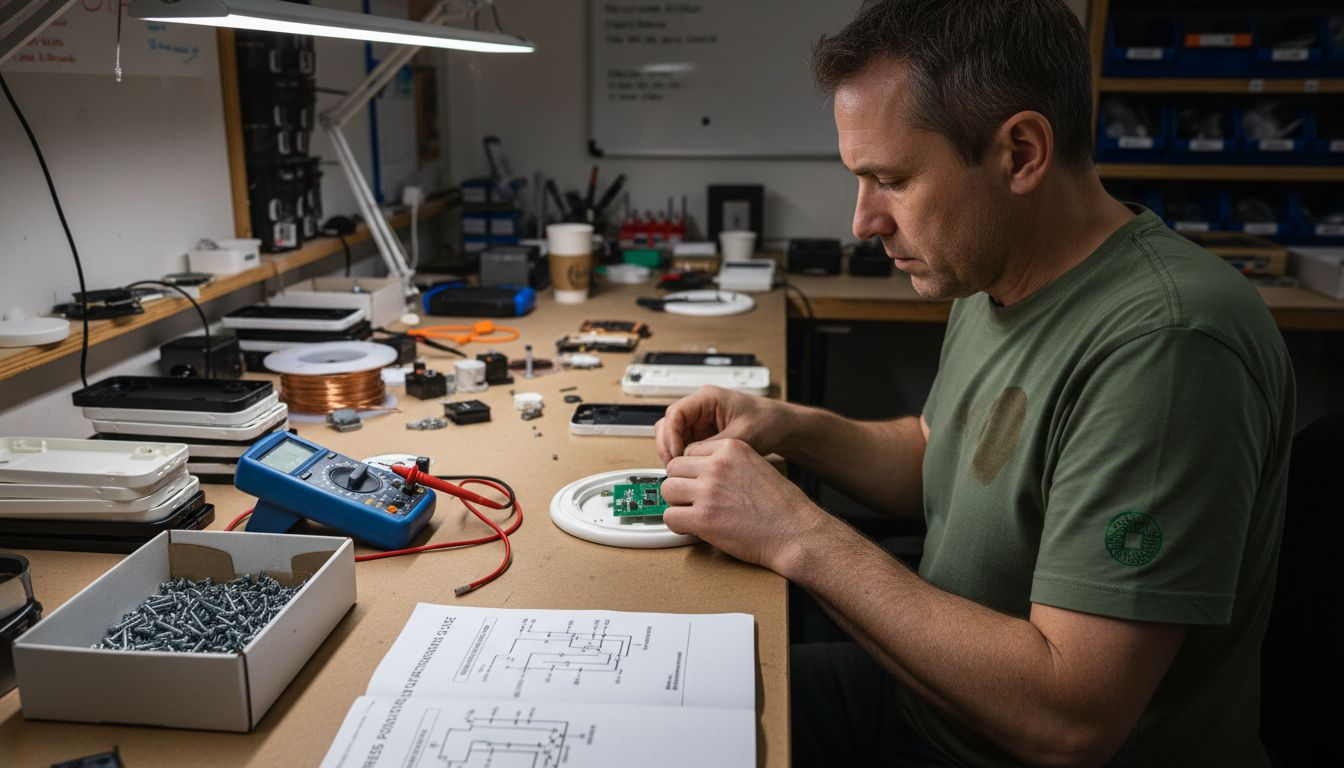
The integration process involves complex engineering considerations, including form factor constraints, power transfer efficiency, and maintaining device safety. Emerging technologies are focusing on improving magnetic resonance techniques and radio frequency methods to create more robust wireless charging experiences across diverse device ecosystems.
This table summarises wireless charging advances across key device categories:
| Device Category | Typical Use Case | Key Integration Benefit |
|---|---|---|
| Smartphones & mobiles | Daily communication | Easy, cable-free charging |
| Smartwatches & trackers | Health/fitness | Hands-free overnight charging |
| Wireless earbuds & audio | Media consumption | Pocket-sized charging options |
| Laptops & peripherals | Productivity | Desktop decluttering |
| Cars & automotive systems | Navigation/connectivity | Charging on the road |
Wireless charging is no longer a novelty but a fundamental expectation in modern consumer electronics design.
Pro tip: When purchasing new devices, prioritise those with native wireless charging capabilities to maximise your charging flexibility and convenience.
Long-range charging and fast power banks
Long-range wireless charging represents a revolutionary leap in power transfer technology, enabling electricity transmission across significant distances without traditional cable connections. Long-range wireless technologies are expanding rapidly, promising unprecedented convenience across consumer electronics and industrial applications.
Key technological approaches in long-range charging include:
- Radio frequency transmission systems
- Resonant inductive coupling methods
- Electromagnetic field power transfer
- Multi-device simultaneous charging capabilities
- Intelligent energy management technologies
Wireless power bank innovations are dramatically transforming portable charging solutions. Modern power banks now support faster wireless charging, multi-device connectivity, and intelligent energy optimization using advanced artificial intelligence algorithms.
The emerging long-range charging ecosystem addresses multiple performance challenges by improving efficiency and reducing energy losses. Technological breakthroughs have increased power transfer efficiency to over 80% at extended distances, creating opportunities for more flexible and convenient charging experiences across diverse device categories.
Long-range wireless charging is not just a technological advancement, but a fundamental reimagining of how we interact with electronic power systems.
Pro tip: When selecting a wireless power bank, prioritise models with multi-device charging capabilities and intelligent energy management features for maximum versatility.
Safety, interoperability, and energy efficiency
Wireless charging safety represents a critical frontier in technological development, ensuring user protection and device reliability across diverse electronic ecosystems. Wireless charging systems integrate sophisticated safety protocols to prevent potential hazards such as overheating and foreign object interference.
Key safety and efficiency features include:
- Thermal management systems
- Foreign object detection technologies
- Adaptive power control mechanisms
- Dynamic alignment correction
- Automatic power cut-off functions
Interoperability standards are revolutionising wireless charging by establishing universal communication protocols between devices and charging platforms. These standards ensure seamless energy transfer across different manufacturers and device types, creating a more flexible and user-friendly charging experience.
Energy efficiency improvements focus on optimising power transfer through advanced engineering techniques. Researchers are developing innovative coil structures, compensation methods, and adaptive control strategies that minimise transmission losses and enhance overall charging performance under variable conditions.
Safety is not an afterthought in wireless charging - it is the fundamental foundation of technological innovation.
Pro tip: Always verify your wireless charging devices have internationally recognised safety certifications before purchasing to ensure maximum protection.
Market adoption challenges and cost factors
Wireless charging market dynamics are increasingly complex, with technological potential frequently constrained by significant implementation barriers. Wireless charging market challenges persist across various sectors, particularly in electric vehicle and consumer electronics domains.
Key market adoption challenges include:
- High initial infrastructure investment costs
- Technical standardisation complexities
- Limited universal compatibility
- Inefficient energy transfer mechanisms
- Consumer perception and trust barriers
Electric vehicle wireless charging markets are experiencing substantial growth pressures, driven by governmental sustainability incentives and increasing consumer demand for convenient charging solutions. However, technological and economic obstacles continue to moderate widespread adoption.
The economic landscape reveals nuanced cost considerations that extend beyond direct hardware expenses. Manufacturers and infrastructure developers must navigate intricate investment calculations, balancing technological innovation against practical implementation constraints and potential long-term returns.
Market transformation requires collaborative strategies that align technological innovation with economic feasibility.
Pro tip: Research comprehensive total cost of ownership metrics before investing in wireless charging infrastructure to understand genuine long-term financial implications.
Embrace the Future of Wireless Charging with Charg-R
The 2026 wireless charging trends highlight the need for fast, efficient, and mobile power solutions that keep pace with your busy lifestyle. If you are frustrated by slow charging speeds, limited device compatibility, or bulky accessories that do not travel well, it is time to experience next-level convenience. Features like Qi2 magnetic alignment and intelligent energy management now make wireless charging safer and more reliable than ever before. Why settle for anything less when you can upgrade to premium products designed to match these innovations?
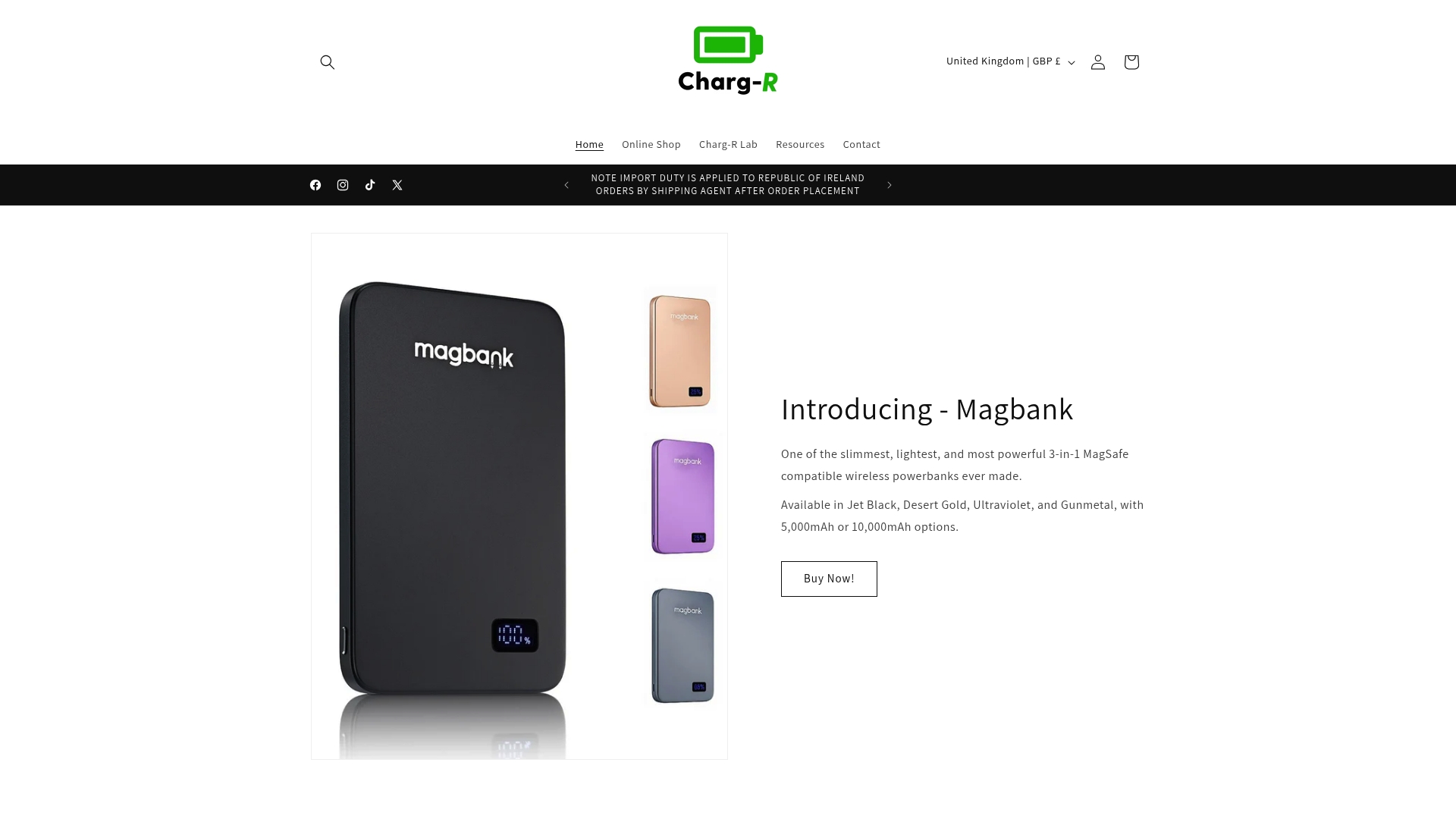
Discover Charg-R where innovation meets portability. Our range of slim, multifunctional wireless chargers and power banks deliver fast charging with built-in safety protections for Apple devices and more. Designed for tech enthusiasts and frequent travellers, our accessories include travel docks and retractable cables that declutter your space and simplify your power needs. Act now to experience effortless charging that fits perfectly into modern life. Visit Charg-R and explore how our products align with the latest wireless charging advances. Don’t wait—unlock ultimate mobility and efficiency today.
Frequently Asked Questions
What is wireless charging and how does it work?
Wireless charging is a technology that allows for power transfer between devices without the use of traditional cables, typically using electromagnetic induction. Power is transferred between a transmitter and receiver coil to charge devices.
What are the common myths about wireless charging?
Common myths include that wireless charging is slow, causes battery damage, has limited device compatibility, and wastes energy. In fact, modern systems often match wired charging speeds, adhere to safety standards, have increasing interoperability, and have improved efficiency.
How will the Qi2 standard improve wireless charging capabilities?
The Qi2 standard introduces enhanced magnetic alignment, allowing for better power transfer efficiency and faster charging speeds, with capabilities of up to 15W, significantly enhancing user experience compared to previous generations.
What should I consider when using wireless charging technology?
When using wireless charging, ensure your device’s magnetic alignment points are clean, and the charging surface is free from metallic objects. Additionally, check that your devices have recognised safety certifications to ensure safe charging.